Top 10 Things to Pack for Your First Music Festival
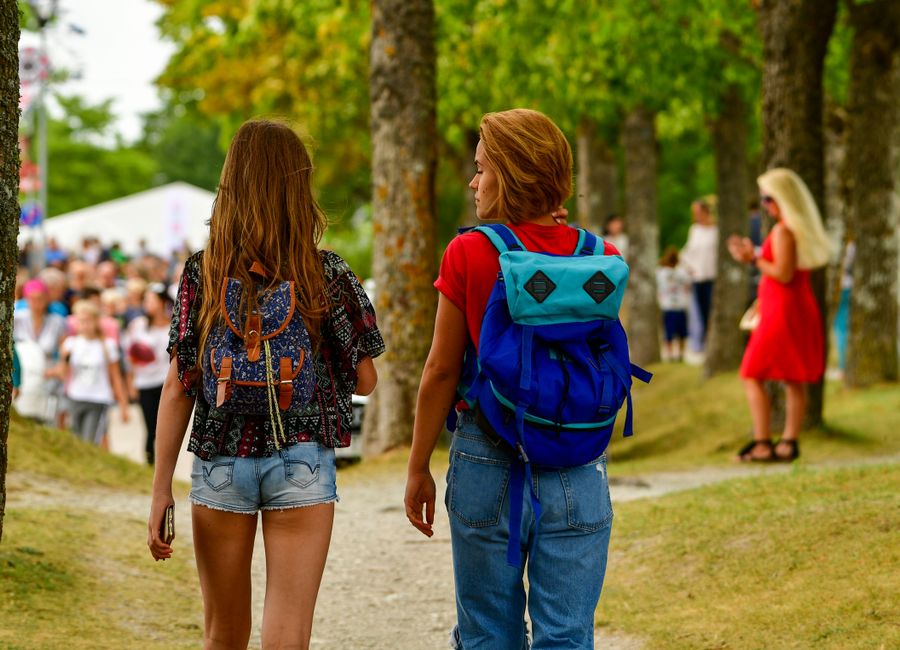
When preparing for your first music festival, the excitement of the lineup and the promise of days filled with live performances can easily overshadow the practicalities of packing. Yet, the items you bring—or leave behind—can significantly influence your comfort, safety, and overall enjoyment. A well-considered packing strategy ensures you are prepared for the varied conditions typical of outdoor events, from intense sun to cooler evenings, and helps you navigate the logistical challenges of large crowds and limited amenities. This article outlines a thoughtful approach to assembling your festival gear, focusing on essential items that serve practical purposes and contribute to a more positive experience.
The choices you make in your packing list are not merely about convenience; they are about enabling you to fully immerse yourself in the festival environment without unnecessary distractions. By prioritizing functionality and foresight, you can mitigate common discomforts and potential health risks, allowing you to focus on the music and the atmosphere. The following ten items represent a balance of necessity and practicality, each selected for its ability to address a specific need that frequently arises at festivals. As you review this list, consider your personal needs and the specific characteristics of the event you are attending, as individual circumstances may influence what you ultimately decide to bring.
Protecting Your Senses: Earplugs and Sunscreen
Prolonged exposure to high-volume music and direct sunlight are two of the most significant sensory challenges at any music festival. Protecting your hearing and skin should be a top priority, as the effects of neglecting these can be long-lasting. Earplugs are a small, inexpensive investment that can prevent permanent hearing damage. While some may worry that earplugs will diminish the quality of the music, modern earplugs are designed to reduce volume while preserving the clarity of the sound, enabling you to enjoy the performances without the risk of tinnitus or noise-induced hearing loss. We recommend trying them before the event to find a comfortable fit, and consider bringing a small case to keep them clean and accessible throughout the day.
Sunscreen is equally essential, as hours spent outdoors in the sun can lead to painful sunburns that run your weekend. When selecting a sunscreen, choose a broad-spectrum product with an SPF of at least 30, and apply it generously and frequently—ideally every two hours and after swimming or heavy sweating. A travel-sized bottle or a small tube is convenient to carry in your bag, and you should reapply several times during the day, even if the weather seems overcast. Harmful UV rays can penetrate clouds and cause damage on cooler days as well. By integrating ear protection and sun protection into your daily routine at the festival, you are taking proactive steps to safeguard your well-being, which in turn allows you to participate more fully in the event.
Staying Hydrated: The Importance of a Reusable Water Bottle
Hydration is a cornerstone of festival health, particularly when you are spending long hours in the sun, dancing, and walking between stages. Dehydration can lead to fatigue, headaches, dizziness, and heat-related illnesses, which can quickly turn a fun experience into a medical emergency. Carrying a reusable water bottle serves multiple purposes: it reduces plastic waste, saves money, and ensures you have access to water at all times. Most festivals provide free water refill stations, so having a bottle on hand allows you to easily replenish your supply throughout the day. When choosing a bottle, consider one that is durable, leak-proof, and easy to clip onto a bag or belt. Some bottles come with built-in filters, which can be useful if you are uncertain about the quality of tap water at the venue. Make it a habit to fill your bottle every time you pass a refill station, even if you are not currently thirsty, to stay ahead of your hydration needs.
In addition to water, you may want to consider bringing electrolyte tablets or powder to add to your water on particularly hot days. These can help replace essential salts lost through sweating and can be especially beneficial if you are active for extended periods. Remember that alcohol and caffeine can contribute to dehydration, so it is wise to alternate these beverages with water. By prioritizing hydration, you are supporting your body’s ability to regulate temperature and maintain energy levels, which enhances your overall festival experience.
Personal Comfort and Convenience
Your physical comfort throughout the festival day significantly impacts your enjoyment and stamina. A lightweight backpack or crossbody bag is invaluable for carrying your essentials without burdening your hands or shoulders. Look for a bag that is secure, comfortable to wear for long periods, and has enough pockets to organize your items. This will help you avoid fumbling through your belongings when you need something quickly. A portable phone charger is another essential, as capturing memories and staying connected with friends will quickly drain your phone’s battery. A high-capacity power bank can keep your devices charged all day, ensuring you can navigate with maps, use mobile apps, and communicate without worry. To maximize its utility, charge your power bank fully before the festival and consider a model with fast-charging capabilities to minimize downtime. Similarly, a small flashlight or headlamp is wise for navigating dark areas after sunset, especially if you are camping or returning to your vehicle in low-light conditions.
Another aspect of personal comfort often overlooked is a bandana or buff. This versatile piece of cloth can protect your face from dust and sun, serve as a headband, or be soaked in water to cool your neck. It occupies minimal space and can be used in various ways, making it a practical addition to your packing list. Additionally, dressing in layers is important because temperature fluctuations between day and night are common at outdoor events. A light jacket or hoodie can keep you warm during the evening, and comfortable, closed-toe shoes are essential for protecting your feet from uneven terrain and possible debris. By anticipating your comfort needs, you can reduce physical stress and fully engage with the festival atmosphere.
Navigating the Festival Environment
The dynamic and often crowded environment of a music festival requires a degree of preparedness that goes beyond the basics. A small emergency kit containing band-aids, pain relievers, and any personal medications is a prudent item to include, as minor injuries and headaches are not uncommon. Being self-reliant in these situations can save you from long waits at medical stations for issues you can handle yourself. Similarly, a compact rain poncho or a light, packable rain jacket can be a lifesaver if unexpected showers occur, as being wet and cold can ruin your mood and potentially lead to health issues. These items are lightweight and can be easily stashed in your bag without adding significant bulk. In line with practical preparation, keeping a copy of the festival’s schedule and map on your phone or on a printed piece of paper can help you plan your day and locate facilities such as restrooms and first aid areas. While many festivals have mobile apps, a physical backup is useful if your phone runs out of battery or you have connectivity issues.
Finally, it is wise to consider your method of carrying money and identification. Many festivals are cashless, but having a small amount of cash for emergencies is a good precaution. Keep your ID and a debit or credit card in a secure, accessible pocket, perhaps in a money belt or a neck pouch that stays hidden under your clothes. This minimizes the risk of theft and speeds up transactions. By organizing your essentials in a way that suits your needs, you can reduce stress and focus on the music and experience.
Health and Hygiene: The Unsung Heroes
While often overlooked, maintaining basic health and hygiene practices during a festival is crucial for your well-being and that of those around you. Hand sanitizer and wet wipes are indispensable for cleaning your hands before eating or after using portable toilets, which are rarely equipped with soap and working sinks. These small items can help prevent the spread of germs and reduce the likelihood of illness. A separate, small bag for your toiletries and a travel-sized toothbrush and toothpaste are also recommended if you are camping, as oral hygiene is easy to neglect when you are tired and rushed. In addition, consider bringing lip balm with SPF to protect your lips from chapping and sun damage. These simple habits of cleanliness can have a substantial impact on your comfort and health, enabling you to enjoy the festival days to the fullest.
Moreover, the importance of personal space and respecting others’ health cannot be overstated. If you feel unwell or have symptoms of a contagious illness, it is considerate to wear a mask or maintain distance from others, particularly in crowded settings. Festivals are social gatherings, but your actions can affect others’ ability to participate. By being mindful of hygiene and health, you contribute to a safer and more pleasant environment for all attendees. As you pack these items, remember that they are not just for your own benefit but are part of a collective effort to ensure a positive festival experience for everyone.
Final Thoughts on Festival Packing
Packing for a music festival is a nuanced exercise in preparedness and personal responsibility. The items you choose to bring reflect your priorities and your consideration of the challenges inherent in outdoor events. While the ten items discussed—earplugs, sunscreen, reusable water bottle, backpack, phone charger, flashlight, bandana, layers, emergency kit, and hygiene supplies—form a comprehensive foundation, it is important to adapt them to your specific needs and the unique context of the festival you are attending. For instance, if you are camping, you will need additional gear such as a tent and sleeping bag, which are beyond the scope of this list. Similarly, if you have food allergies or dietary restrictions, you may need to pack your own snacks, as festival food options can be limited or unclear.
Ultimately, the goal of packing is not to cover every possible scenario but to equip yourself with the tools that enable you to respond to common situations with ease. By thinking critically about what you bring and why, you enhance your ability to adapt and enjoy the event. The festival experience is shaped by many factors beyond your control, but your preparedness can make the difference between a challenging ordeal and a memorable adventure. As you finalize your packing list, let this guide serve as a starting point, and feel free to modify it based on your own research and past experiences.